

Gum Recession
author: Lela Nemsadze, Periodontist of Richter’s Clinic
Gum recession occurs when the gum tissue surrounding a tooth gradually moves away from the tooth surface, exposing a larger portion of the tooth or its root. This condition may affect one or several teeth and can lead to aesthetic concerns, tooth sensitivity, and increased risk of further dental complications if left untreated.
Several factors influence the health and stability of the gums. One of the most important is the gingival phenotype, which refers to the thickness and structure of the gum tissue.
Based on thickness and morphology, gingival tissue is generally classified into three types:
-
Thin gingival phenotype
-
Thick scalloped phenotype
-
Thick flat phenotype
The likelihood of developing gum recession is closely related to the type of gingival phenotype a person has. Individuals with thinner gum tissue are usually more susceptible to recession.
Structure of the Gum (Gingiva)
The gingiva is the soft tissue that covers and protects the neck of the tooth and the underlying bone. Anatomically, it is divided into three main components:
- Free Gingiva
The free gingiva forms the soft tissue collar that surrounds the tooth and creates the visible contour around it.
- Attached Gingiva
The attached gingiva is firmly bound to the underlying bone and provides stability and protection. It plays an important role in resisting mechanical forces during chewing and speaking and helps prevent the free gingiva from being pulled away from the tooth.
Interdental Papilla
The interdental papilla fills the space between adjacent teeth. Its function is to protect the underlying structures and prevent food particles from becoming trapped between the teeth during chewing.
What Is Gum Recession?
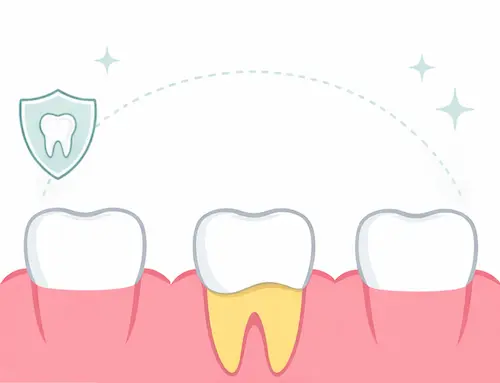
Gum recession is a condition in which the gum margin gradually shifts away from the crown of the tooth toward the root. As a result, a larger portion of the tooth root becomes exposed.
This may lead to several noticeable changes:
-
Teeth may appear longer than normal
-
The yellowish root surface becomes more visible near the tooth neck
-
Patients often experience increased tooth sensitivity
-
The natural proportions of the tooth may appear altered
Gum recession is commonly observed in adults. It can occur in individuals with both good and poor oral hygiene and often becomes more pronounced with age.
Causes of Gum Recession
Gum recession may develop due to a number of different factors, including:
Inflammatory gum disease
Gum inflammation and periodontal disease can damage supporting tissues and contribute to recession.
Abnormal oral frenulum attachments
Short or unusually positioned frenula may create tension on the gum tissue.
Malocclusion (improper bite)
Uneven distribution of chewing forces on certain teeth can lead to gum damage and recession.
Aggressive brushing habits
Overly forceful brushing, hard-bristled toothbrushes, aggressive flossing, or abrasive dental products may gradually wear down gum tissue.
Genetic factors
Some individuals naturally have thinner and more delicate gingival tissue, which increases the risk of recession.
Prevention and Treatment
Preventing gum recession begins early and requires consistent dental care.
Parents should pay attention to the development and alignment of the dental arches and jaws from the time primary teeth erupt, and consult a dental professional if any concerns arise.
Regular visits to a periodontist or dentist are important to maintain the health of both hard and soft oral tissues. Professional examinations allow early detection and timely management of gum conditions.
Patients should also follow the individual recommendations provided by their dental specialist, including proper brushing techniques and oral hygiene practices.
Treatment Options
When gum recession develops, proper diagnosis and treatment planning are essential.
Depending on the severity of the condition, treatment may include:
-
Non-surgical periodontal therapy
-
Gum augmentation procedures
-
Root coverage techniques
-
Soft tissue grafting procedures
In many advanced cases, periodontal surgery may be required to restore gum tissue and protect the exposed tooth root.
A periodontist is the dental specialist responsible for evaluating the condition, establishing the diagnosis, and selecting the most appropriate surgical or non-surgical treatment approach.
Disclaimer
The information provided in this article is intended for educational and informational purposes only and should not be considered a substitute for professional medical or dental advice, diagnosis, or treatment.
Every patient’s condition is unique, and treatment recommendations may vary depending on individual clinical circumstances. If you are experiencing symptoms related to gum recession or any other oral health concern, you should consult a qualified dentist or periodontist for a proper examination and personalized treatment plan.
Do not ignore professional medical advice or delay seeking treatment because of information you have read in this article.